
Understanding Sports Broadcasting Fundamentals
What is Sports Broadcasting?
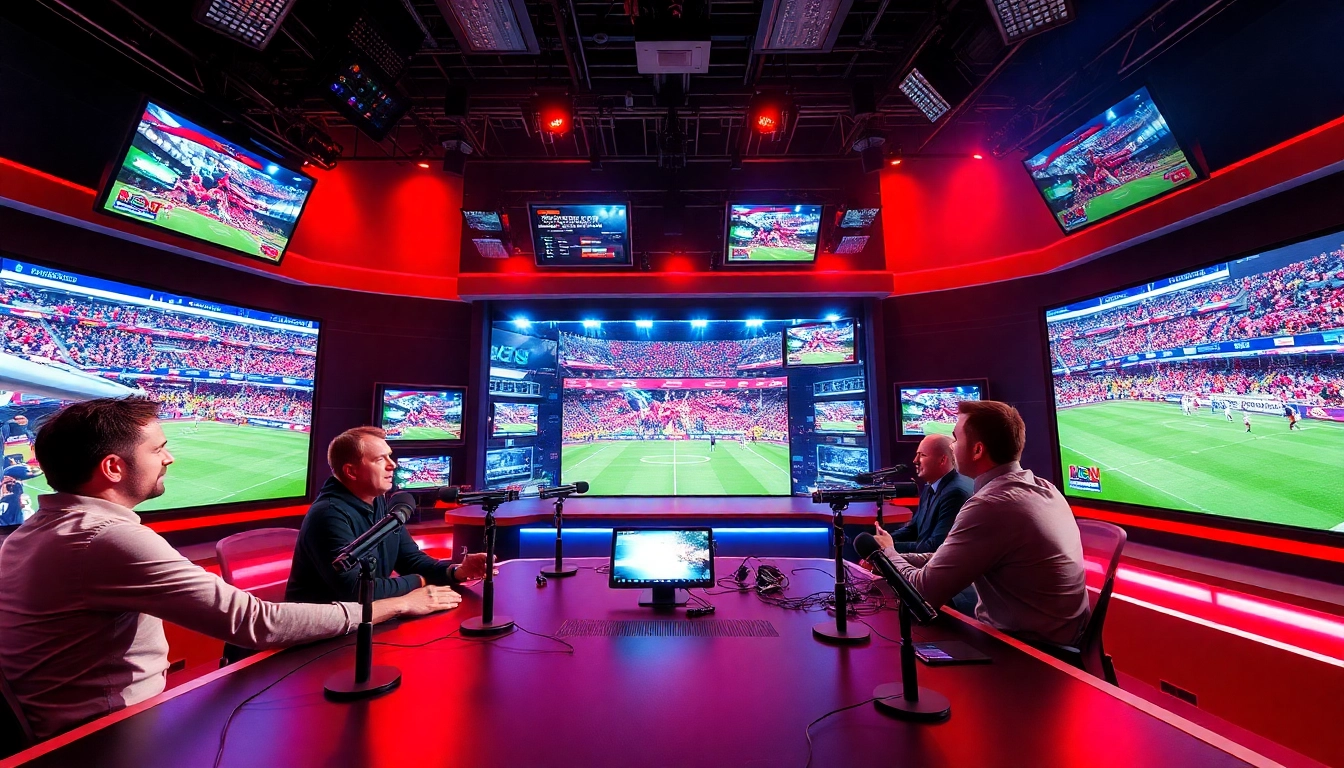
Sports broadcasting refers to the distribution of sports content via audio, video, or other mediums. It includes live broadcasts of games, sporting analysis, highlights, interviews, and highlights provided through various platforms. Whether delivered through traditional television networks, radio, or emerging streaming platforms, the primary goal is to connect fans with the sports they cherish. This content aims to enhance viewer experience and deepen audience engagement with their favorite teams and athletes. A key component of modern sports broadcasting is its ability to reach audiences across geographical boundaries, facilitating a global sports community. For an in-depth exploration of this vast topic, check out Sports Broadcasting.
The Evolution of Sports Broadcasting
The journey of sports broadcasting has undergone remarkable transformations since its inception. Originally limited to radio broadcasts that shared game scores and plays, it evolved through the advent of television, bringing live feeds and play-by-play commentary to viewers at home. In the late 20th century, the introduction of cable television further diversified sports content, allowing specialized sports channels to blossom. Fast forward to the digital age; streaming services now offer viewers on-demand access to a variety of sports content, redefining how fans interact with the game.
Today’s broadcasting landscape combines the traditional elements of sports reporting with innovative technologies such as augmented reality (AR) and enhanced data analytics to present real-time statistics and player information. These advancements enrich the viewing experience, reinforcing sports broadcasting's role as an interwoven part of contemporary sports culture.
Key Players in the Sports Broadcasting Landscape
Within the sports broadcasting space, several key players shape the industry. Traditional media outlets like cable networks and local TV stations have historically remained dominant. However, the rise of streaming giants has introduced new dynamics. Companies specializing in sports content delivery have emerged as powerful contenders, deploying advanced analytics and interactive features that enhance viewer engagement.
Additionally, social media platforms increasingly play a crucial role in sports broadcasting. They facilitate real-time engagements, including live commentary, highlights, and community discussions among fans, blurring the lines between broadcasting and social interaction. This multifaceted involvement of players signifies an exciting, competitive environment in sports media.
Current Trends Impacting Sports Broadcasting
Rise of Streaming Services
The emergence of streaming services has undeniably revolutionized sports broadcasting. Platforms like ESPN+, Hulu, and Amazon Prime Video have shifted the landscape from traditional cable subscriptions to user-friendly, on-demand models. This transition not only provides viewers flexibility but also democratizes access to diverse sports content, enabling fans to select what they want to watch and when.
Furthermore, many streaming services are now producing exclusive content, including original sports documentaries and behind-the-scenes features that attract subscribers. These changes compel traditional networks to adapt or risk losing viewers to these more innovative alternatives.
The Role of Social Media in Sports Broadcasting
Social media platforms have altered the dynamics of sports broadcasting dramatically. More than just a channel for highlights, these platforms serve as spaces for live interactions, building communities around shared interests in sports. Fans partake in discussions, share opinions, and post analyses in real-time, which increases visibility for various sports and athletes.
Livestreaming events accessible directly via platforms like Twitter and Facebook allows for expanded reach beyond conventional broadcasters, and user-generated content often finds a wider audience. This shift represents a profound change in how sports are consumed, making fan engagement more critical than ever.
Audience Engagement Strategies
As competition intensifies, engagement strategies become crucial for retaining viewers. Broadcast networks and streaming platforms utilize data analytics to understand audience preferences deeply. Tailoring content according to viewers’ interests, such as interactive polls during live games or personalized notifications about favorite teams, greatly enhances viewer experience.
Moreover, integrating gamification tactics—such as fantasy sports or interactive challenges—can further increase engagement levels. The focus now lies not only in delivering the content but also in creating an immersive experience for fans, fostering loyalty and active participation.
Challenges Facing Sports Broadcasting Today
Navigating Rights and Licensing Issues
One of the most significant challenges within sports broadcasting revolves around the complex arena of rights and licensing. Securing rights for games involves intricate negotiations, often leading to high costs that can impact a broadcaster’s bottom line. The analysis of market trends and audience size must inform these decisions to ensure profitability while satisfying fan demands.
As competition from streaming platforms intensifies, the negotiation landscape is evolving. Previous exclusive broadcast deals may no longer guarantee viewership, compelling stakeholders to rethink strategies surrounding content acquisition.
Competition from Non-Traditional Media
Challenges from non-traditional media have altered the sports broadcasting landscape significantly. With increased access to sports content via social media and alternative streaming platforms, traditional broadcasters face the daunting task of retaining viewership. These non-traditional methods often offer more personalized and interactive experiences, tailored to fan preferences.
Adapting to these changes requires proactive strategizing, ensuring that traditional broadcasters also evolve their content delivery methods to remain competitive in this shifting environment.
Technology Adaptations and Limitations
Although technology has enabled incredible advancements in sports broadcasting, adapting to these constant changes presents its own set of challenges. Integrating the latest technologies—such as 4K video, virtual reality experiences, and advanced analytics—requires substantial investment and infrastructure improvements.
Furthermore, ensuring all viewers have access to these advancements can create an uneven playing field where not all fans experience the same quality of broadcasting. Addressing these disparities is a continuing challenge for the industry.
Innovations Transforming Sports Broadcasting
Virtual Reality and Augmented Reality Experiences
Virtual reality (VR) and augmented reality (AR) are beginning to significantly reshape sports broadcasting. These technologies create immersive viewing experiences, allowing fans to experience live games from unique perspectives as if they are present on the field or court. For example, VR can transport viewers to the front row of a stadium while offering real-time statistics and player highlights in an engaging format.
AR enhances broadcasts by providing overlays of statistics or visual analysis during gameplay, enriching the viewer's experience and understanding of key moments. As these technologies become more integrated, the potential for engaging sports experiences expands, promising fans unprecedented interactions with their favorite sports.
Enhancements through Artificial Intelligence
Artificial intelligence (AI) is playing a pivotal role in transforming sports broadcasting. AI technologies enable the collection and analysis of vast amounts of data, leading to improved insights about player performance and audience preferences. For broadcast networks, AI can optimize content delivery by personalizing user experiences based on viewing habits.
Additionally, AI-driven tools enhance production quality by automating video editing and providing instantaneous analysis during live events. These capabilities not only refine broadcasts but also evolve how fans perceive and engage with sports content.
Expansion of Interactive Broadcasting
Interactive broadcasting is enhancing viewer engagement by allowing fans to influence what they see and experience during live events. Features such as live voting systems, interactive polls, and social media integration mean that viewers are no longer passive recipients but active participants in the broadcast.
Such platforms allow fans to decide camera angles, choose content topics, or interact with commentators during broadcasts, reinforcing the communal aspect of sports consumption and fostering deeper audience connections.
The Future of Sports Broadcasting
Predictions for the Next Decade
As we look ahead, the future of sports broadcasting is likely to see unprecedented changes driven by technology and evolving consumer behavior. Predictions suggest a continued focus on personalized content delivery, where AI curates viewing options based on individual preferences.
Moreover, as 5G technology becomes more widespread, it will facilitate higher-quality streaming and immersive experiences, allowing for virtually enhanced viewing that enhances how viewers consume sports. Collaboratively, these trends point towards a more sophisticated broadcasting experience that prioritizes user engagement and adaptability.
The Impact of Technology on Viewer Experience
Technology will undoubtedly play a defining role in shaping viewer experiences. Enhanced graphics, immersive formats, and instant replays are just the tip of the iceberg. The combination of on-demand content with real-time stats and tailored analytics will create intricate ties between fans and their sought-after teams and events.
Furthermore, subscribers will likely expect tailored programming that aligns with their interests, requiring broadcasters to innovate constantly to sustain viewership in an ever-evolving landscape.
Preparing for the Next Big Game
As the sports broadcasting industry evolves, staying prepared for the next big game goes beyond simple broadcast rights. It involves investing in cutting-edge technologies, engaging actively with the audience, and adapting to their diverse preferences. Building a potent strategy to enhance viewer experience can help establish loyalty and drive up retention rates in a competitive market.
Ultimately, embracing disruption and focusing on innovation will be crucial for broadcasters to thrive, translating viewer engagement into commercially viable operations and ensuring the lucrative growth of the sports broadcasting industry.
Frequently Asked Questions
What are the main platforms for sports broadcasting?
Major platforms include traditional TV networks, streaming services like ESPN+, and social media platforms that host live sports.
How do streaming services influence sports broadcasting?
Streaming services provide flexibility, allowing viewers to watch sports on demand and often offering exclusive content, which revolutionizes how fans engage with sports.
What challenges does sports broadcasting face?
Sports broadcasting faces challenges such as rights licensing, increasing competition from social media, and the need for technological updates to enhance viewer experience.
How can technology enhance sports broadcasting?
Technology enhances sports broadcasting through innovations like virtual reality experiences, AI analytics for real-time statistics, and interactive viewer engagement features.
What is the future of sports broadcasting?
The future of sports broadcasting is expected to involve more immersive experiences, greater integration of viewer data, and expanded use of streaming platforms over traditional media.